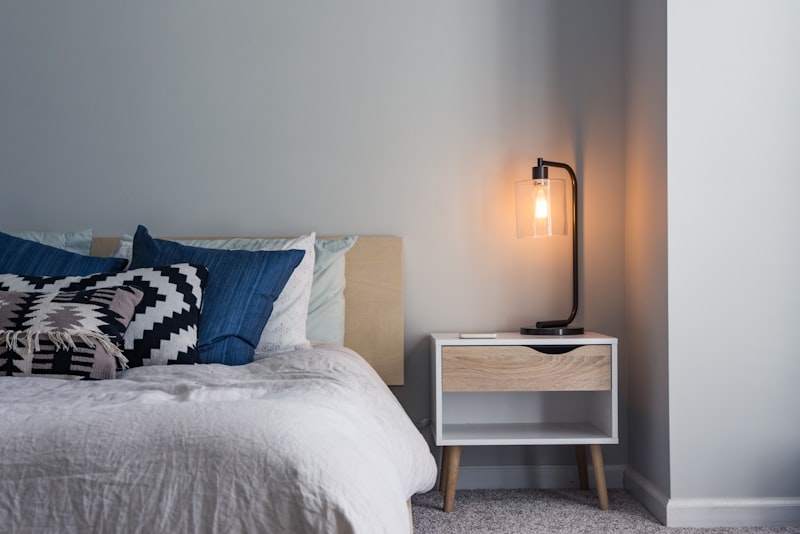
Most people I talk to don't have a sleep problem so much as a transition problem. They go from answering one last email or finishing one more episode straight to lights-out, then lie there baffled that their brain won't cooperate. The fix is rarely a new pill or gadget — it's giving yourself a runway, a short, repeatable sequence that tells your nervous system the day is over.
Why a Routine Works When Willpower Doesn't#
Sleep isn't a switch you flip; it's a slope you walk down. Your body starts preparing for sleep well before you actually feel drowsy — core temperature begins to drop, melatonin rises, and the alerting signal that kept you sharp all day starts to fade. The trouble is that modern evenings actively fight this process. Bright light, engaging screens, work stress, and late caffeine all keep your arousal system switched on past the point where it should be dimming.
A wind-down routine works because it stacks cues, not effort. When you do the same low-stimulation things in the same order every night, your brain starts to treat that sequence as a signal. Over a couple of weeks, the routine itself becomes a trigger for sleepiness — the same way the smell of coffee can wake you up before the caffeine hits. You're not forcing sleep. You're building an on-ramp so that by the time your head hits the pillow, most of the work is already done.
The other reason routines beat willpower: decisions are exhausting, and you're at your most depleted at night. "Should I watch one more?" is a decision. "It's 10:15, so I brush my teeth and read" is not. A routine removes the negotiation.
Start With Your Wake Time, Not Your Bedtime#
Here's the counterintuitive part. The most important anchor in your whole sleep schedule isn't when you go to bed — it's when you get up. Your wake time is what actually sets your circadian rhythm, because morning light exposure calibrates the clock that governs everything downstream, including when you'll feel sleepy that night.
So work backwards:
- Pick a realistic, consistent wake time you can hold seven days a week (weekends included, within an hour).
- Count back the hours of sleep you actually need — for most adults that lands somewhere in the seven-to-nine range. Be honest about your number, not the number you wish you needed.
- That's your target sleep time. Now subtract another 30 to 60 minutes. That is when your wind-down begins.
If you want to be asleep by 11 and you sleep best with about eight hours, you're aiming for a 6:45 alarm and a wind-down that starts around 10:15. Writing it down as an actual clock time matters more than you'd think. "Later" never arrives.
The Anatomy of a 30-Minute Wind-Down#
You don't need an hour of candlelit yoga. A tight 30 minutes, done consistently, beats an elaborate routine you abandon after four nights. Here's a structure I keep coming back to because it's short enough to survive a bad day.
Minutes 0-10: Close the loops#
The first block is about offloading, not relaxing. A racing mind at bedtime is usually a mind that's still holding open tabs. So close them on paper instead of in your head:
- Jot tomorrow's top two or three tasks so your brain stops rehearsing them.
- Do a quick tidy — dishes in the sink, clothes laid out, phone on its charger across the room.
- Set anything you'd otherwise wake up worrying about (alarm, lunch, keys by the door).
This is the least glamorous part and the most load-bearing. Ten minutes of "the day is handled" prevents the 1 a.m. what-did-I-forget spiral.
Minutes 10-20: Drop the stimulation#
Now you actively lower the inputs. Dim the lights — overhead lights off, one warm lamp on. Get off screens, or at minimum put them down and out of reach. This is the single highest-leverage change most people can make: bright light in the evening suppresses melatonin and pushes your whole clock later, and the content itself (news, social feeds, work Slack) is engineered to keep you engaged when you're trying to disengage.
If cutting screens cold feels impossible, don't quit — downgrade. Swap the phone for something with a lower pull: a physical book, an audiobook or podcast at low volume, a warm shower. The shower is a quiet trick worth naming: the warm water followed by stepping out into cooler air nudges your core temperature downward, which is exactly the direction your body wants to go before sleep.
Minutes 20-30: Body down#
The last block is physical settling. Pick one or two things and keep them fixed:
- Slow breathing — a few minutes of longer exhales than inhales. Nothing mystical; a long exhale nudges you toward the parasympathetic, rest-and-digest side of your nervous system.
- A light stretch for whatever's tight from the day — hips, neck, lower back.
- The last steps of your hygiene routine — teeth, skincare, a glass of water — done slowly rather than rushed.
Then into bed. Ideally you arrive already drowsy, which is the whole point.
Make the Cues Impossible to Miss#
Routines fail when they depend on you remembering to do them. So let your environment carry the load. A few things that have made the difference for people I've worked with:
- Use light as your alarm-in-reverse. Smart bulbs that automatically warm and dim at your wind-down time turn the routine into something that starts to you, not something you have to start. No smart bulbs? A single lamp with a warm bulb, flipped on as your "the overhead lights are done" signal, works fine.
- Put friction on the tempting stuff. Phone charging in another room. TV remote in a drawer. The bar to break routine should be just annoying enough that you don't bother.
- Anchor it to something you already do. "After I brush my teeth, I read for ten minutes" is stickier than a freestanding new habit, because the existing behavior becomes the reminder.
Common Pitfalls (and Honest Trade-Offs)#
I want to be straight about where this gets hard, because a routine sold as effortless is a routine you'll quit the first time it isn't.
You'll break it, and that's fine. Travel, sick kids, a deadline, a late dinner with friends — the routine will get skipped. The goal isn't perfection; it's a default you return to. One missed night barely registers. It's the drift of never going back that undoes you.
Wind-down time competes with your actual free time. For a lot of people, the evening hours after the kids are down or the work is finished are the only hours that feel like their own. Asking them to hand 30 of those minutes to sleep can feel like a loss. That's a real trade-off, and I won't pretend it isn't. What I'll say is that the time you spend winding down usually pays itself back — a genuinely relaxing half hour beats a distracted, doom-scrolling hour that leaves you more wired than when you started.
Don't lie in bed trying. If you've done the routine and you're still wide awake after what feels like 20 minutes or so, get up. Go sit somewhere dim and boring and do something calm until you feel sleepy, then return. Staying in bed frustrated only teaches your brain that bed is a place for lying awake — the opposite of the association you're building.
Naps and late caffeine will sabotage a perfect routine. A flawless wind-down can't outrun a 4 p.m. espresso or a 90-minute evening nap. If the routine isn't working, look upstream at your daytime before you blame the evening.
Give It Two Weeks#
The most common reason people abandon a wind-down routine is that they expect it to work the first night. It won't, because the whole mechanism is learned association — your brain needs repetition to connect the sequence with sleepiness. Early on it can even feel like a chore that's cutting into your evening for no payoff.
Commit to a plain version for two weeks before you judge it. Same wake time, same rough start time, same handful of cues in the same order. Resist the urge to optimize — no new supplements, no gadget rabbit holes, no swapping the routine every three days. Consistency is the active ingredient, and changing variables constantly is how you never find out whether it works.
The Takeaway#
A wind-down routine isn't about doing sleep "correctly." It's about building a short, boring, repeatable off-ramp so that bedtime stops being a hard stop and becomes a gentle slope. Anchor it to your wake time, keep it to 30 minutes, dim the lights and drop the screens, and do roughly the same things in roughly the same order every night. Let your environment remind you so you don't have to. Then give it two unglamorous weeks. The version that survives your worst days is the one that'll still be signaling bedtime a year from now — and that's the one worth building.